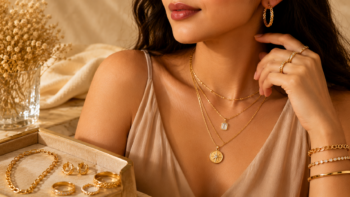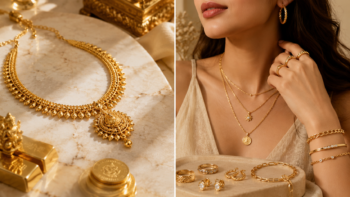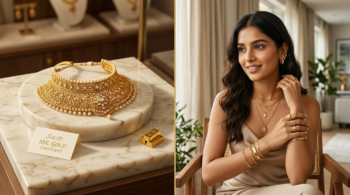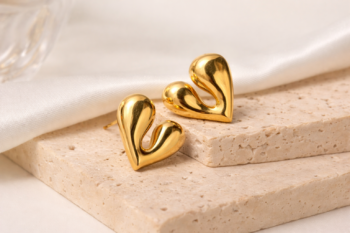
Does 18K gold plated jewellery tarnish? We give you the honest answer — plus how long it lasts, why cheap pieces turn black, and how 316L stainless steel makes all the difference.
does gold plated jewellery tarnish, how long does gold plated jewellery last india, anti-tarnish jewellery india, 316l stainless steel jewellery, 18k gold plated jewellery india
You’ve been there. A beautiful gold piece, worn just a few times — and suddenly there’s a dull, greenish shadow where that gorgeous shine used to be.
So before you invest in another piece, you want the real answer: does 18K gold plated jewellery actually tarnish?
The short answer is: it depends entirely on the quality. And in this guide, we’re going to break down exactly what makes the difference — including why the base metal (316L vs 304L stainless steel) matters more than most brands will ever tell you.
What Is Gold Plated Jewellery, Really?
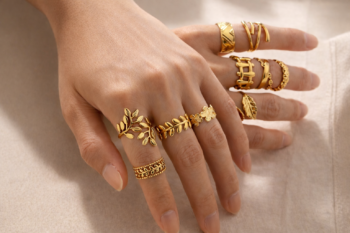
Gold plated jewellery is made from a base metal that is coated with a thin layer of real gold using an electroplating process. The “18K” refers to the purity of the gold used in the outer coating — 18 parts gold out of 24, giving it a rich, warm tone.
But here’s the thing most brands skip over: the gold layer itself is not what protects your jewellery from tarnishing. It’s what’s underneath the gold that determines how long your piece stays beautiful.
Why Does Gold Plated Jewellery Tarnish?
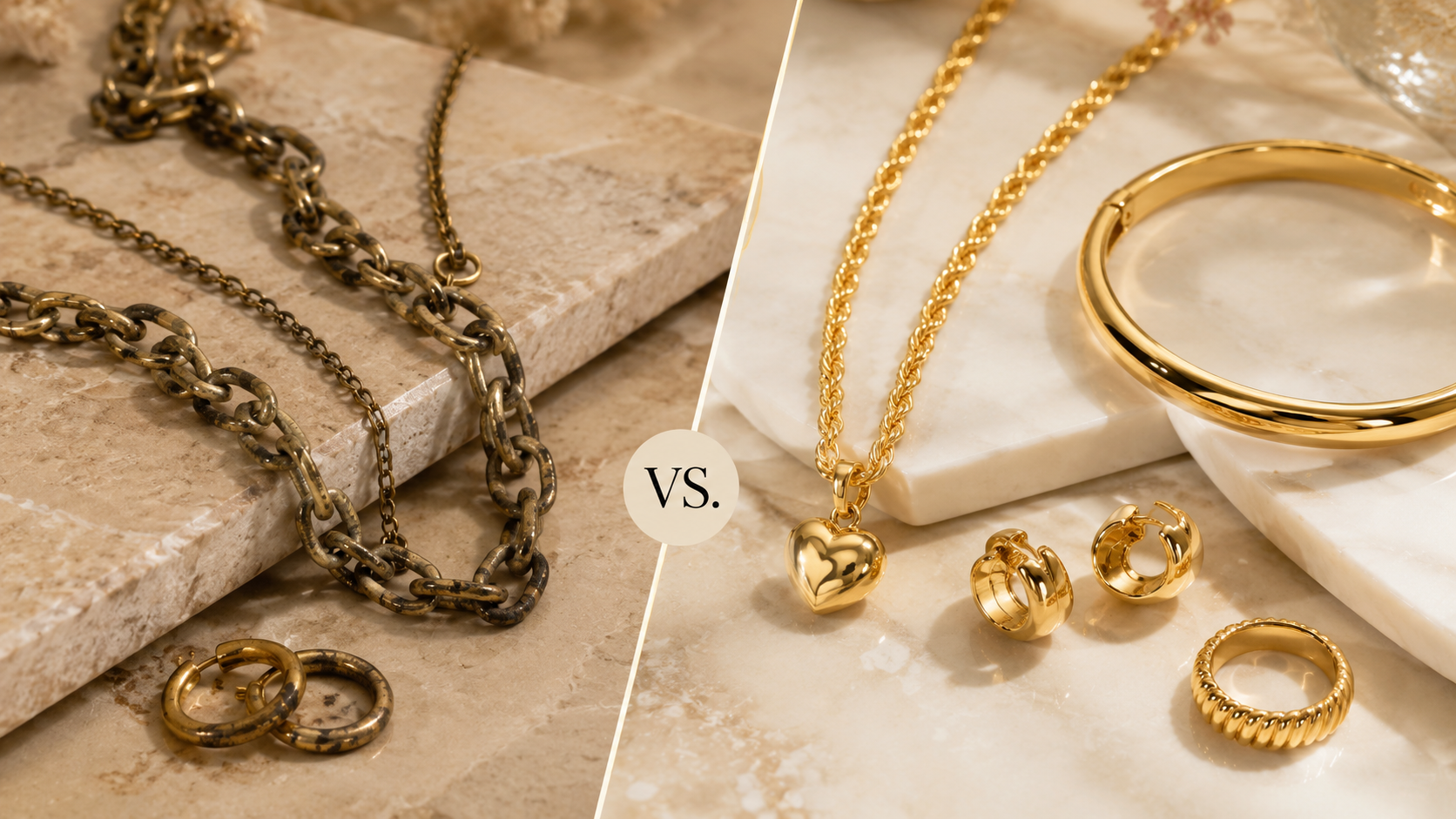
Tarnishing happens when the base metal underneath the gold reacts with moisture, sweat, air, and chemicals like perfume or soap. Over time, the thin gold layer wears away — especially at friction points like the inside of a bracelet or the back of a ring — and exposes the base metal beneath. That base metal then oxidises, turning the piece black, green, or dull.
The culprits are usually:
- Sweat and humidity — especially a challenge in India’s tropical climate
- Perfumes and lotions applied before wearing jewellery
- Low-quality base metals like brass or copper that corrode quickly
- Thin gold plating — as thin as 0.1 microns in cheap pieces — that wears off within weeks
- No protective coating over the gold layer to seal it
So yes — low-quality gold plated jewellery absolutely tarnishes. But high-quality gold plated jewellery, made with the right materials and coatings, is a completely different story.
The Game-Changer: 316L Stainless Steel vs 304L Stainless Steel
This is the detail almost no brand talks about openly — but it’s the single biggest factor in how long your jewellery lasts.
304L Stainless Steel — The Budget Base Metal
304L stainless steel (also called “surgical-grade” in some marketing) is the most common base metal used in fashion jewellery worldwide. It contains:
- ~18% chromium
- ~8% nickel
- Low carbon content
It’s decent — far better than brass or copper — but it has a weakness: it contains nickel, which can cause skin reactions in sensitive individuals, and it is more susceptible to corrosion when exposed to chlorides (like salt in your sweat or the sea). In India’s humid conditions, 304L pieces can start showing wear within 6–12 months of daily use.
316L Stainless Steel — The Premium Standard
316L stainless steel is the real deal. It adds 2–3% molybdenum to the 304L formula, which dramatically improves:
- Corrosion resistance — especially against chlorides and acids (read: Indian humidity, sweat, and monsoons)
- Longevity — the gold plating holds better and longer on a 316L base
- Skin safety — significantly lower nickel release, making it far more hypoallergenic
- Durability — harder and more scratch-resistant, meaning the base stays pristine under the gold
Think of it this way: 304L is good. 316L is what hospitals use for surgical implants. The difference in real-world jewellery wear is significant — pieces on a 316L base consistently outlast 304L pieces by years, not months.
| Feature | 304L Stainless Steel | 316L Stainless Steel |
|---|---|---|
| Corrosion Resistance | Good | Excellent |
| Nickel Content | Higher | Lower |
| Skin Friendliness | Moderate | Hypoallergenic |
| Sweat/Humidity Resistance | Moderate | High |
| Best For | Occasional wear | Daily wear |
| Lifespan with Gold Plating | 6–18 months | 1–4+ years |
What Is Anti-Tarnish Coating and How Does It Work?
Anti-tarnish coating (also called an e-coat or electrophoretic coating) is a transparent protective layer applied over the gold plating. It seals the gold surface, creating a barrier between your skin and the metal.
Here’s the process in a quality piece like YouGorgeous jewellery:
- 316L stainless steel base — the strongest, most corrosion-resistant foundation
- 18K gold electroplating — a rich, warm gold layer applied via electroplating
- PVD (Physical Vapour Deposition) process — an advanced coating method where gold is deposited at a molecular level, bonding it far more deeply than standard plating
- Anti-tarnish e-coat sealant — a final transparent protective layer that prevents oxidation and seals the gold
PVD coating, in particular, is 3 to 5 times harder than standard gold electroplating. That means it doesn’t just look better — it actually resists the microscopic abrasion that causes ordinary gold plating to wear off.
How Long Does 18K Gold Plated Jewellery Last in India?
The honest answer depends on three things: the base metal, the plating process, and how you care for it.
| Jewellery Type | Low Quality (Brass base, thin plating) | High Quality (316L base, PVD + anti-tarnish) |
|---|---|---|
| Earrings | 1–3 months | 1–4 years |
| Necklaces | 2–6 months | 1–5 years |
| Bracelets/Bangles | 1–4 months | 1–3 years |
| Rings | 2–8 weeks | 1–2 years |
Rings and bracelets tend to wear faster because they experience more friction — but even these can last years with the right quality and basic care.
5 Signs Your Gold Plated Jewellery Is Low Quality
Before you buy, watch for these red flags:
- No mention of the base metal — if a brand won’t tell you what’s under the gold, assume it’s cheap brass
- Prices under ₹150 — quality 316L + 18K PVD plating has a real cost; extremely cheap pieces cut corners on both
- Turns green or black within weeks — this is the base metal oxidising, not the gold tarnishing
- “Gold plated” without specifying the karat — 18K is the sweet spot; 24K plating is actually softer and wears off faster
- No care instructions or warranty — quality brands stand behind their products
How to Make Your Gold Plated Jewellery Last Longer
Even the best quality jewellery benefits from a little care. Here’s what actually works:
Do:
- Put jewellery on last — after perfume, hairspray, and lotion have dried
- Store in an airtight pouch or zip-lock bag when not wearing (India’s humidity is your jewellery’s biggest enemy)
- Wipe with a soft dry cloth after wearing to remove sweat and moisture
- Remove before swimming, dishwashing, or using cleaning products
Don’t:
- Don’t spray perfume directly onto jewellery
- Don’t leave pieces in the bathroom where steam builds up
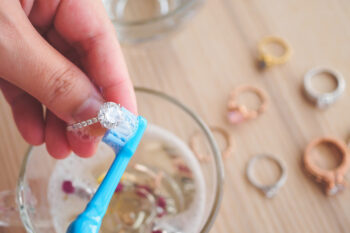
- Don’t clean with abrasive materials or harsh chemical cleaners
- Don’t pile multiple pieces together without protection — they scratch each other
The YouGorgeous Difference
At YouGorgeous™, we offer 18K gold plated anti-tarnish jewellery across three base metal options — 304L and 316L stainless steel — so you can choose the right piece for your lifestyle and budget.
Every piece in our collection, regardless of base metal, is finished with 18K gold plating and an anti-tarnish coating — meaning you get lasting shine at an affordable price.
Our 304L Stainless Steel Collection is ideal if you’re looking for beautiful everyday jewellery at a more accessible price point. Great for occasional wear, gifting, and building your jewellery wardrobe without spending a lot.
Our 316L Stainless Steel Collection is built for those who want maximum durability — the go-to choice if you wear jewellery daily, have sensitive skin, or live in a humid city. The added molybdenum content makes it significantly more resistant to sweat, humidity, and corrosion.
Both ranges are:
- ✅ 18K Gold Plated — rich, warm gold finish
- ✅ Anti-Tarnish Coated — sealed against everyday wear
- ✅ Waterproof — safe for daily use
- ✅ Skin-friendly — no harsh metals on the surface
Not sure which to pick? If you wear jewellery every single day and want it to last 1–3 years, go for 316L. If you’re building a collection or buying a gift, 304L gives you beautiful quality at a friendlier price.
Shop 316L Premium Collection → Browse All Jewellery → Shop Under ₹499 →
Shop Our Anti-Tarnish Collection → Browse Earrings Under ₹499 → Explore Bracelets →
Frequently Asked Questions
Q: Does 18K gold plated jewellery tarnish in water? A: Standard 18K gold plated jewellery can tarnish with water exposure over time, especially in salt water or chlorinated pools. However, high-quality pieces with a 316L stainless steel base and anti-tarnish PVD coating are waterproof and designed for everyday exposure including workouts and light rain.
Q: How long does 18K gold plated jewellery last in India? A: Low-quality pieces with a brass base can tarnish within weeks in India’s humid climate. High-quality 18K PVD-plated jewellery on a 316L stainless steel base — like YouGorgeous pieces — can last 2–4 years or more with basic care.
Q: Why does gold plated jewellery turn black? A: The black colour is from the base metal oxidising once the gold layer wears away. This is especially common with brass or copper base metals. Choosing 316L stainless steel as a base and PVD coating as the plating method prevents this significantly.
Q: Is 316L stainless steel better than 304L for jewellery? A: Yes. 316L contains molybdenum which dramatically improves corrosion resistance — particularly against sweat and chlorides. It is also more hypoallergenic and holds gold plating for longer. It is the better choice for daily-wear jewellery in India.
Q: Can I wear anti-tarnish jewellery in the shower? A: Pieces made with 316L stainless steel and PVD anti-tarnish coating are generally safe for showers and everyday water exposure. However, we recommend avoiding prolonged exposure to harsh soaps and shampoos, and always drying your jewellery after getting it wet.
Q: Does anti-tarnish coating mean the jewellery never tarnishes? A: Anti-tarnish coating significantly extends the life of gold plating and prevents the common causes of tarnishing. While no plated jewellery is indestructible, high-quality anti-tarnish pieces will last years rather than months with basic care.
Q: Is gold plated jewellery safe for sensitive skin in India? A: It depends on the base metal. Pieces with a 316L stainless steel base are nickel-free and hypoallergenic, making them safe for most sensitive skin types. Avoid pieces with brass or copper bases if you have a metal sensitivity.
At YouGorgeous™, we believe you shouldn’t have to choose between beautiful and lasting. Our jewellery is designed to sparkle through daily life — workouts, monsoons, office days, and everything in between. Explore our full collection at yougorgeous.in. Follow us on Instagram for latest product launches.